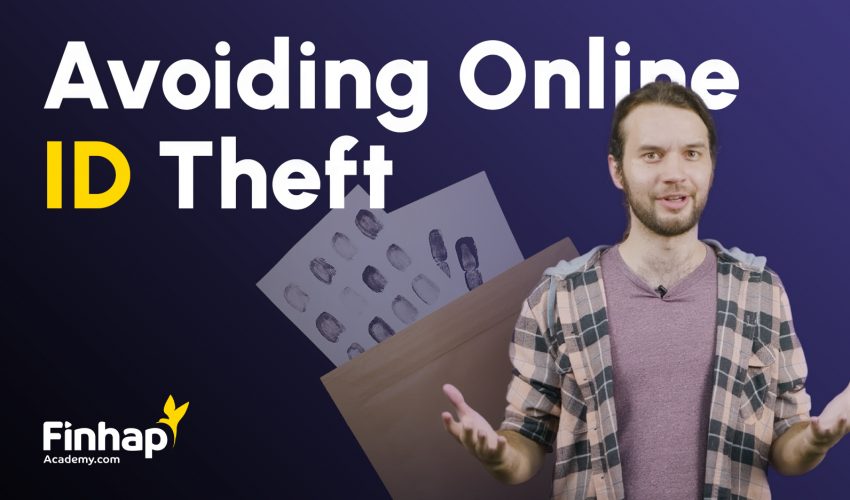
Avoiding Online ID Theft
Acess All Courses for only $99/Year
Get unlimited access to all learning content and premium assets Membership Pro
This module shines a light on online identity theft—what it is, how scammers steal personal information, and the real‑world consequences for your finances and credit. You’ll explore the most common tactics fraudsters use (from phishing emails to fake job offers), learn how to spot red flags before it’s too late, and discover a step‑by‑step recovery plan if your identity does get compromised. Finally, you’ll lock in best practices—strong passwords, two‑factor authentication, privacy settings, and safe browsing habits—to keep your personal data secure long‑term.
Learning Objectives:
Upon completion of this module, students will:
- Define Identity Theft: Articulate what constitutes identity theft and why it matters—even before you have a credit history.
- Recognize Common Scams: Identify phishing, data breaches, public‑Wi‑Fi exploits, fake job offers, impersonation, and other top tactics criminals use to steal your info.
- Respond Effectively: Know the immediate actions to take if you suspect fraud—locking accounts, reporting breaches, disputing charges, and alerting credit bureaus.
- Implement Preventive Measures: Apply robust security habits, including unique passwords, two‑factor authentication, social‑media privacy settings, and cautious use of public networks.
- Maintain Vigilance: Monitor accounts and credit reports regularly and cultivate a skeptical mindset to stay one step ahead of scammers.
Curriculum
- 5 Sections
- 5 Lessons
- 10 Weeks
- Avoiding Online ID Theft IntroductionIntroduction to Avoiding Online ID Theft2
- Part 1Introduces the basics: how thieves harvest personal data (name, SSN, credit‑card details) and the long‑term damage they can inflict—from ruined credit scores to fraudulent loans in your name.1
- Part 2Breaks down the most prevalent schemes—phishing emails/DMs, data breaches, public‑Wi‑Fi traps, social‑media oversharing, weak passwords, fake job offers, and counterfeit websites—so you can spot each before it costs you.2
- Part 3Outlines a clear remediation plan: changing passwords, enabling 2FA, notifying banks and platforms, freezing credit, disputing fraud with bureaus, and reporting to authorities and fraud hotlines.2
- Part 4Locks in proactive habits: crafting long, unique passphrases; using password managers; turning on authenticator‑based 2FA; tightening social‑media privacy; employing VPNs on public Wi‑Fi; and routinely reviewing statements and credit reports.2
Chris
Teacher Chris uses interactive, real-world techniques to teach finance, making complex topics simple and practical. His passion for teaching shows through his active engagement with learners. Through gamified lessons, role-playing, and hands-on budgeting exercises, students learn how to manage money, build savings, and understand credit. Chris incorporates digital tools, mock investment scenarios, and relatable storytelling to keep learners engaged and motivated. By connecting financial habits to everyday life, Chris empowers students to make informed decisions and develop lifelong financial skills. With a focus on clarity, confidence, and creativity, Teacher Chris turns financial literacy into an accessible, enjoyable journey for learners of all ages.
Acess All Courses for only $12.99/Month
Get unlimited access to all learning content and premium assets Membership Pro
You might be interested in
-
All levels
-
5 Lessons
-
All levels
-
13 Students
-
5 Lessons
-
All levels
-
4 Lessons
-
All levels
-
12 Students
-
4 Lessons
-
All levels
-
5 Lessons
-
All levels
-
12 Students
-
5 Lessons
-
All levels
-
4 Lessons
-
All levels
-
12 Students
-
4 Lessons
Sign up to receive our latest updates
Get in touch
Address
180 Robinson Road, #14-04 Singapore Business Federation Center Singapore (068914)